
Discovering Malatya Kayısı: The Jewel of Turkish Dried Fruits
Malatya Kayısısı Editorial Team · Brand editorial team · Updated 2026-09-12
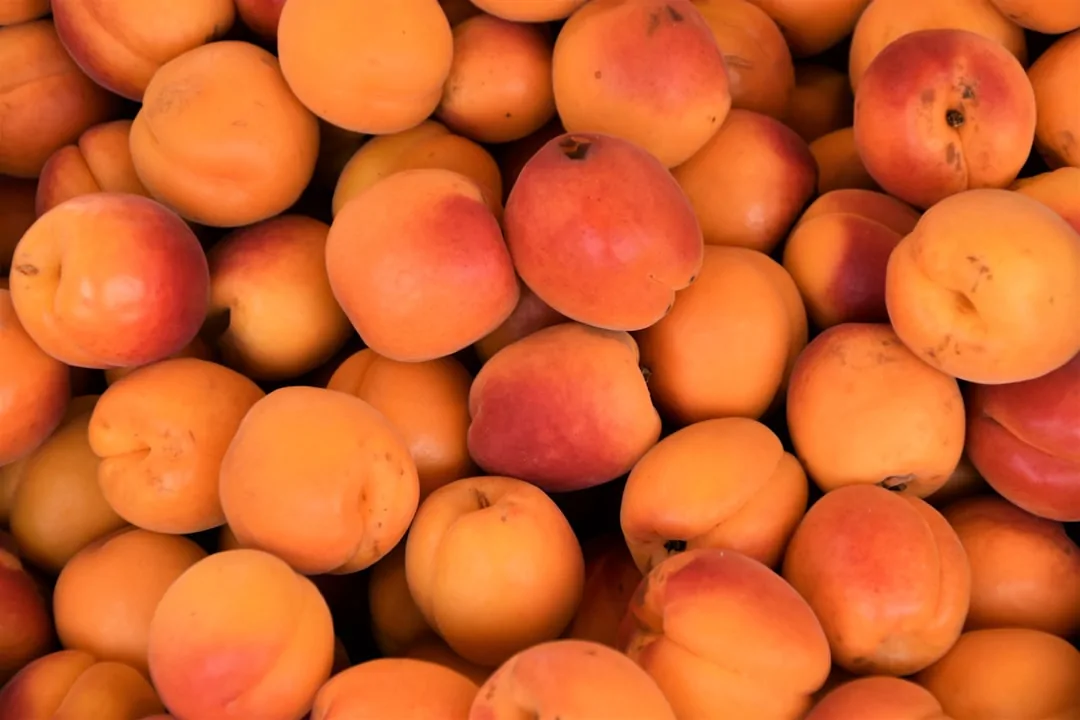
Malatya kayısı is a renowned variety of apricot native to Turkey, celebrated for its unique flavor, nutritional benefits, and rich history. This fruit has captivated the hearts of many, making it an essential part of Turkish culture and cuisine.
Why is Malatya Kayısı Famous?
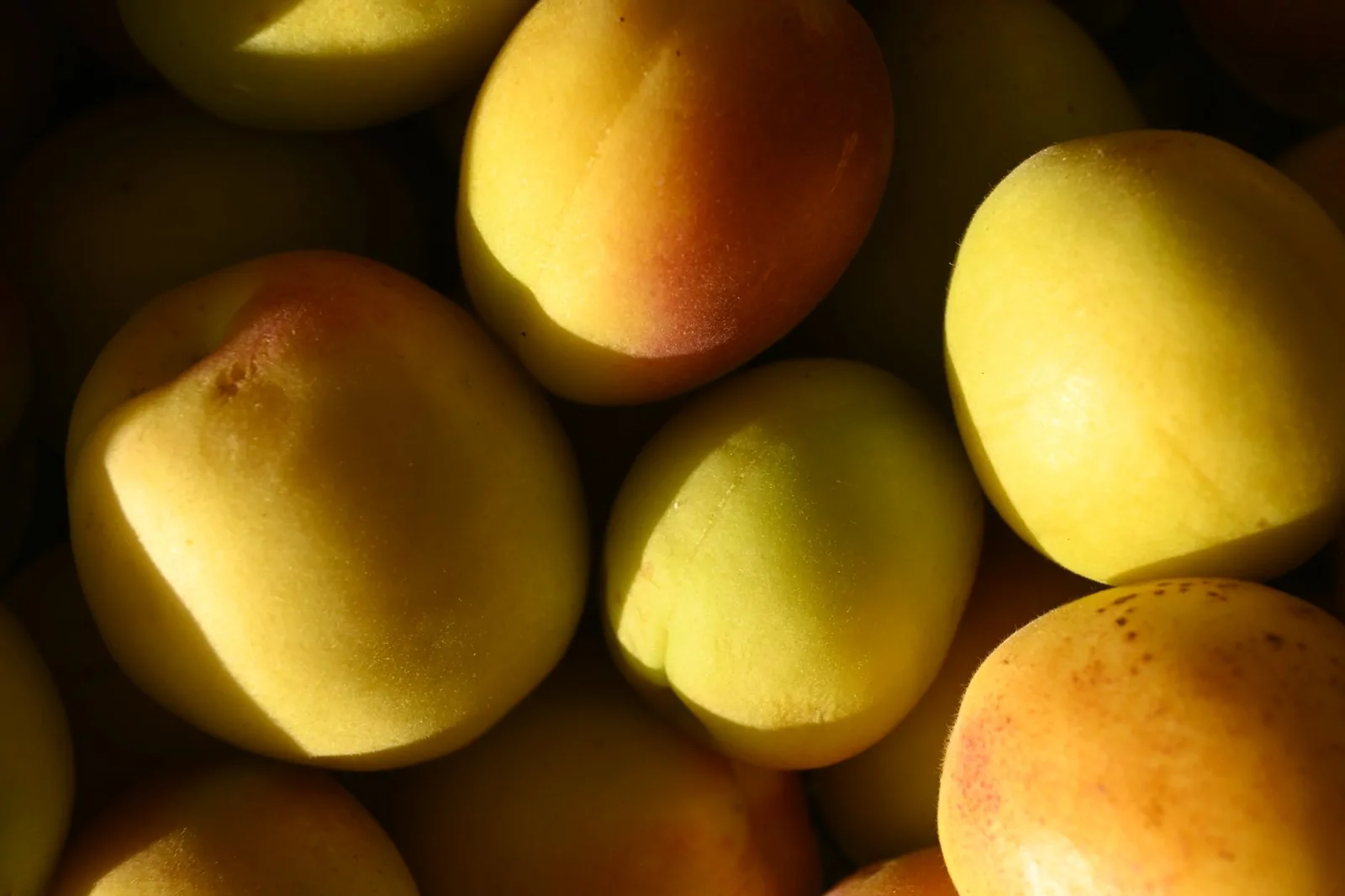
Malatya kayısı is famous primarily due to its exceptional sweetness and high quality. The region of Malatya, located in central Turkey, boasts the perfect climate and soil conditions for apricot cultivation. The fruit's popularity extends beyond borders, with exports reaching various countries around the world.
Characteristics of Malatya Kayısı
These apricots are known for their large size, vibrant orange color, and high sugar content. They possess a unique flavor that balances sweetness with a slight tartness, making them perfect for both fresh consumption and as dried fruit. Additionally, the dried Malatya kayısı is particularly sought after, retaining its taste and nutritional properties.
The History of Malatya Kayısı
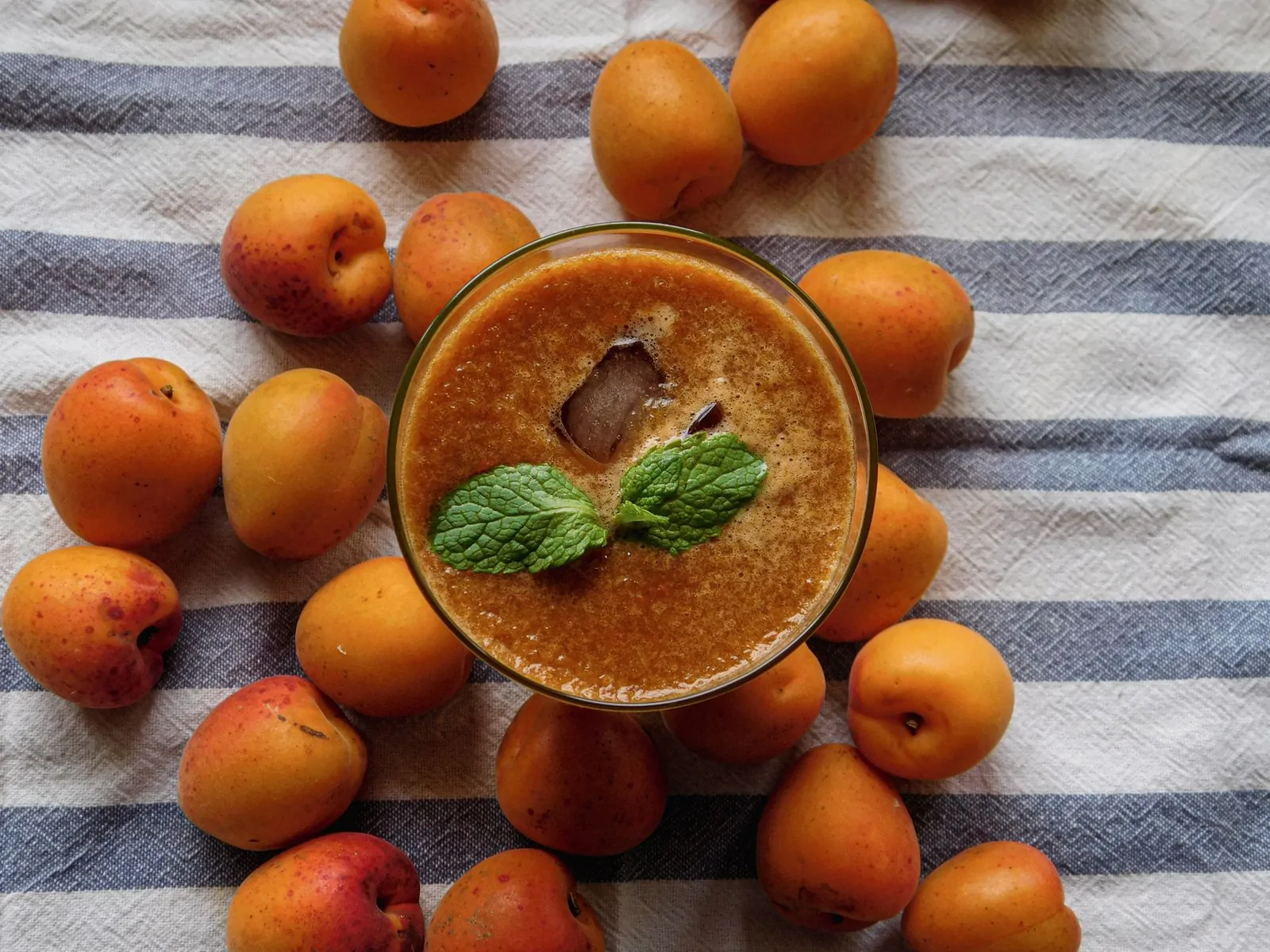
The cultivation of apricots in Malatya dates back thousands of years, with evidence suggesting that they have been grown in the region since ancient times. The apricot tree is deeply rooted in the local culture, and Malatya has long been recognized as the apricot capital of Turkey. Historical records indicate that the area has specialized in apricot agriculture, contributing significantly to local and national economies.
Geographical Indication of this product
this product was granted geographical indication status, which protects the unique identity and quality of the fruit. This designation ensures that only apricots grown in the Malatya region can be labeled as this product, thus preserving the cultural heritage and promoting authentic Turkish products.
Health Benefits of this product
this product is not just a delightful treat; it also offers numerous health benefits. Some of the key advantages include:
- Rich in Nutrients: High in vitamins A, C, and E, as well as minerals like potassium and iron, this product is a nutritious snack.
- Antioxidant Properties: The fruit is packed with antioxidants, which help combat oxidative stress and inflammation in the body.
- Digestive Health: The fiber content in this product promotes healthy digestion and regular bowel movements.
- Heart Health: Consuming these apricots can support heart health due to their potassium content, which helps regulate blood pressure.
Frequently Asked Questions (FAQs)
- What makes this product different from other apricots?
this product is known for its larger size, superior sweetness, and unique flavor profile, which sets it apart from other apricot varieties. - How is this product used in cooking?
This versatile fruit can be enjoyed fresh, dried, or used in various dishes, including desserts, salads, and appetizers. - Is this product organic?
Many producers in Malatya practice organic farming methods, so it's advisable to check for organic certifications when purchasing. - Can I eat this product if I have a nut allergy?
Yes, this product is a fruit and is safe for individuals with nut allergies, but always consult with a healthcare provider if unsure. - Where can I buy authentic this product?
Authentic this product can be found in specialty grocery stores, online marketplaces, and directly from Turkish producers.
Conclusion
In conclusion, this product is not merely a fruit but a symbol of Turkish culture and heritage. Its unique characteristics, coupled with its health benefits and historical significance, make it a prized possession in both local and international markets. Whether enjoyed fresh, dried, or in culinary creations, this product remains a delightful treat that continues to win the hearts of many.
Storage and quality-control notes
Pack integrity, moisture, lot data and storage temperature shape the product profile. Prefer a cool, dry cupboard away from light. Start with a small pack and observe texture and aroma at home. Reading labels and understanding processing helps separate quality from price alone.
- Note best-before and lot codes.
- Keep away from humid counters.
- Use airtight containers after opening.
- Plan rotation for bulk buys.
- Check aroma and texture on first use.
Seasonal lots can shift aroma; consistent supply and transparent lot policy improve predictability. Finish opened packs promptly to reduce waste. A small tasting check before serving reduces surprises for guests.
When evaluating malatya kayısı, aroma, texture, packaging and processing should be read together. Judging malatya kayısı by price alone can be misleading.